Is your platform built for the way you operate?

Your infrastructure was built to support a scheduled broadcast.
Now it runs streaming, podcasting, digital distribution...continuously.
Your equipment isn't just aging, you have infrastructure that is now always-on but still being managed like it isn’t.
Where does your infrastructure stand?
Does this feel familiar...
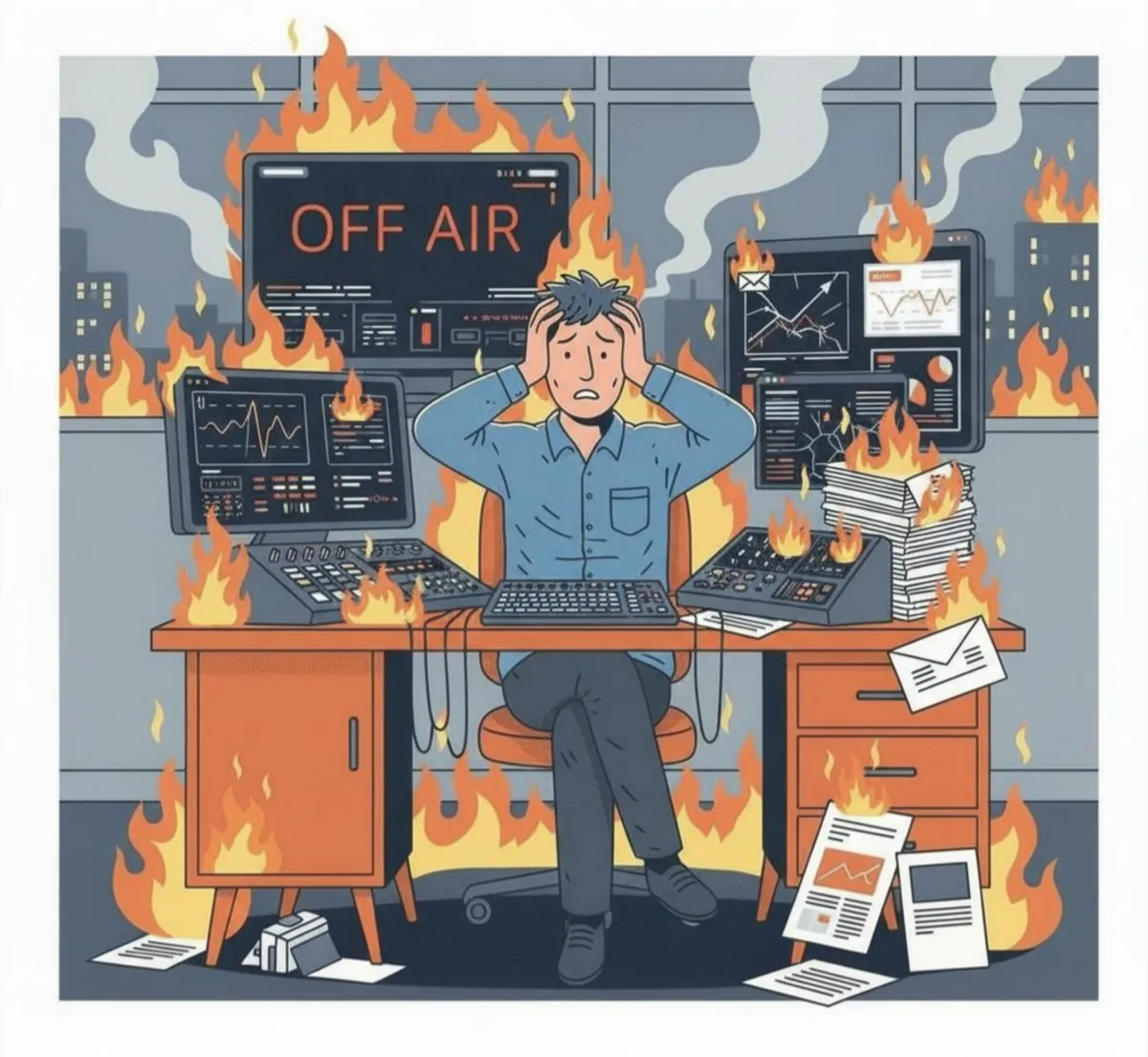
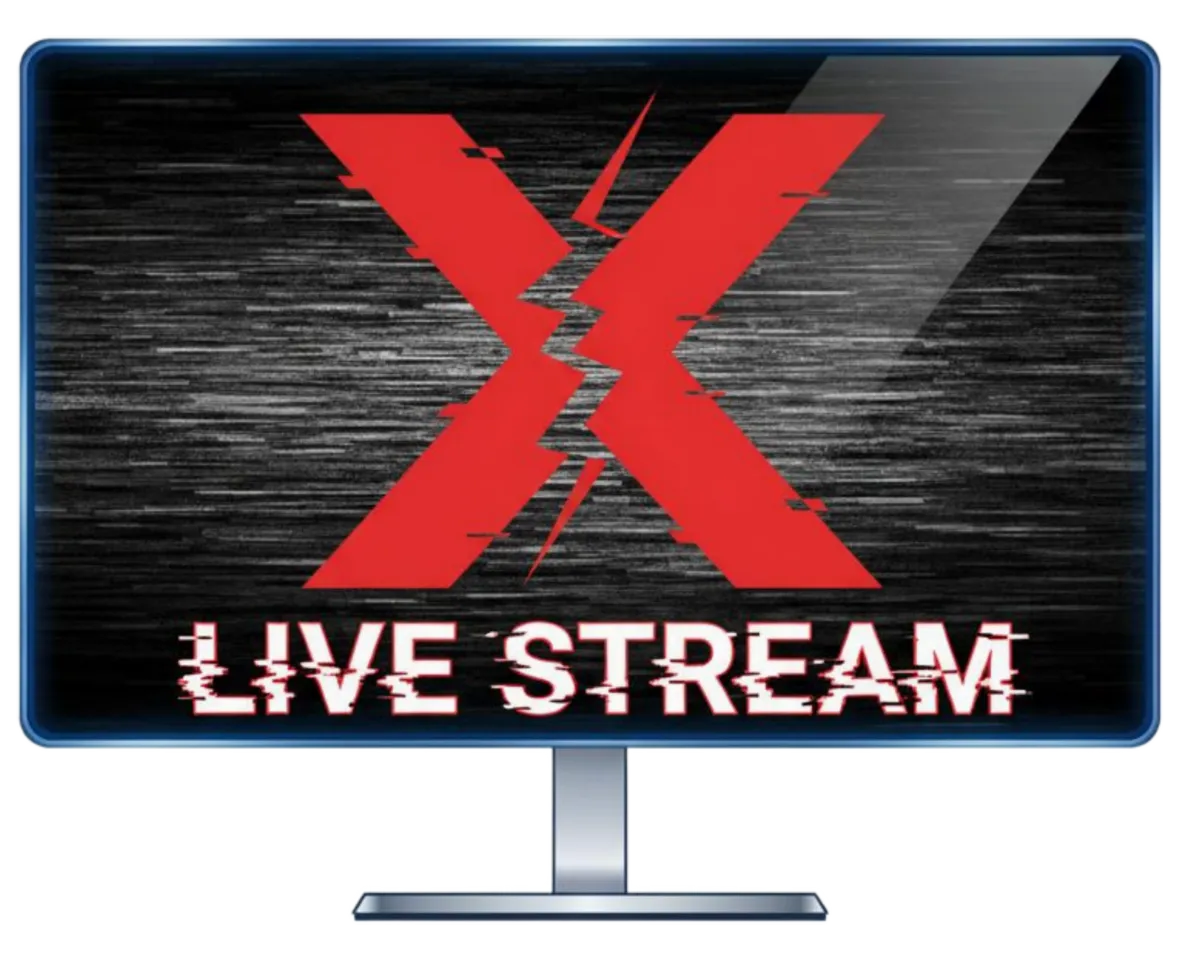
The live stream drops at the worst possible moment (pledge drives, live events)
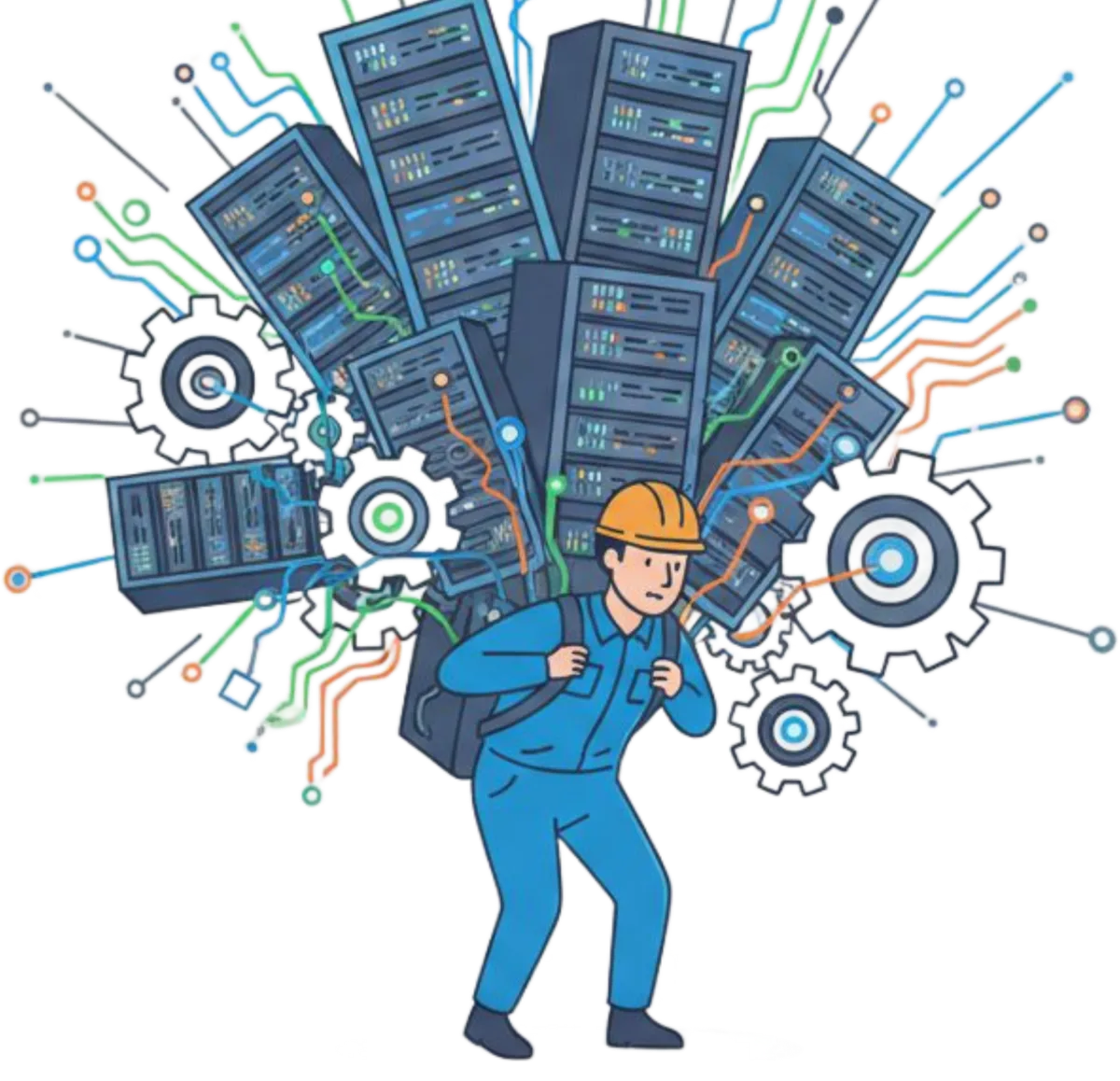
One or two engineers carry most of the operational knowledge
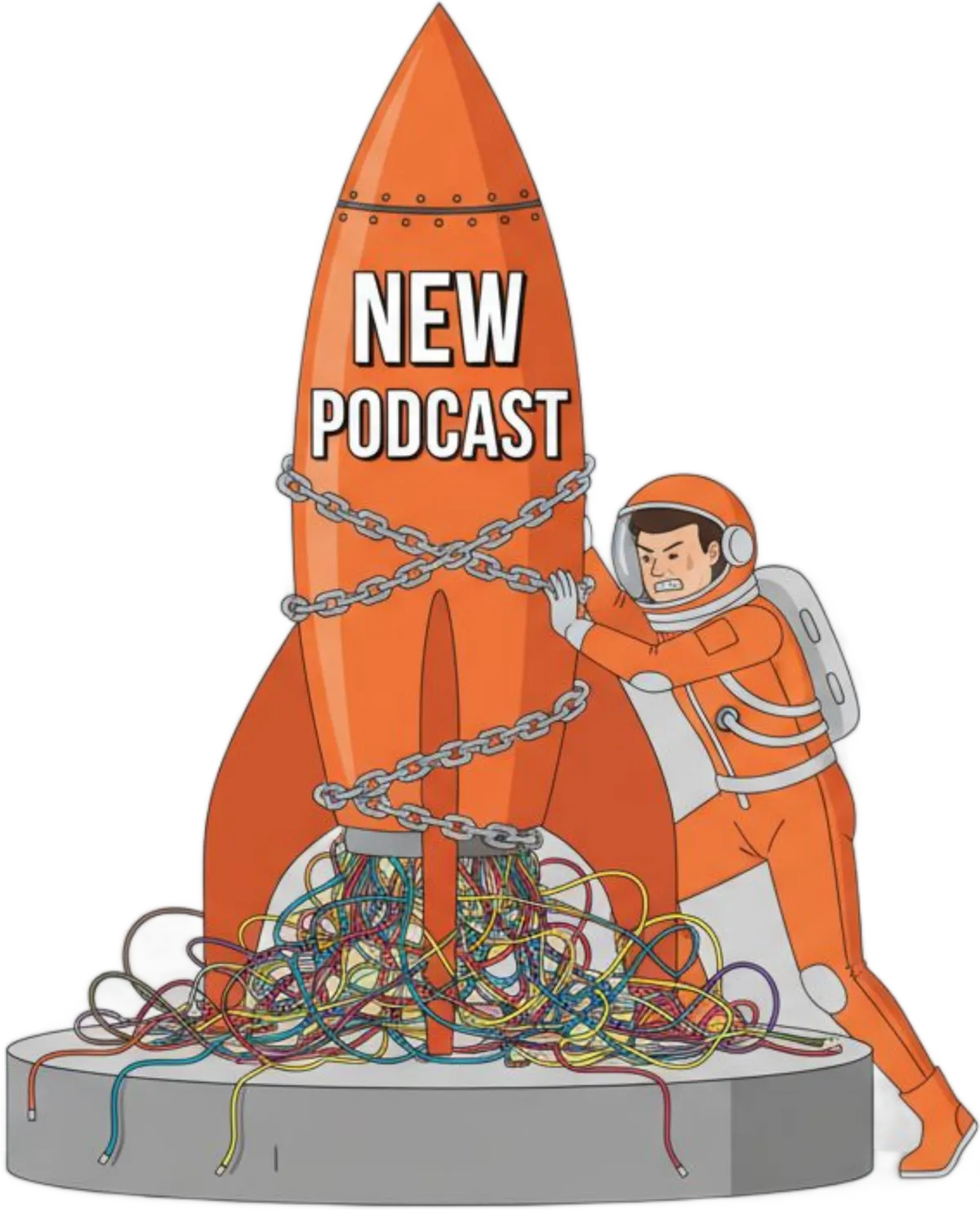
Launching a new podcast or stream feels harder than it should
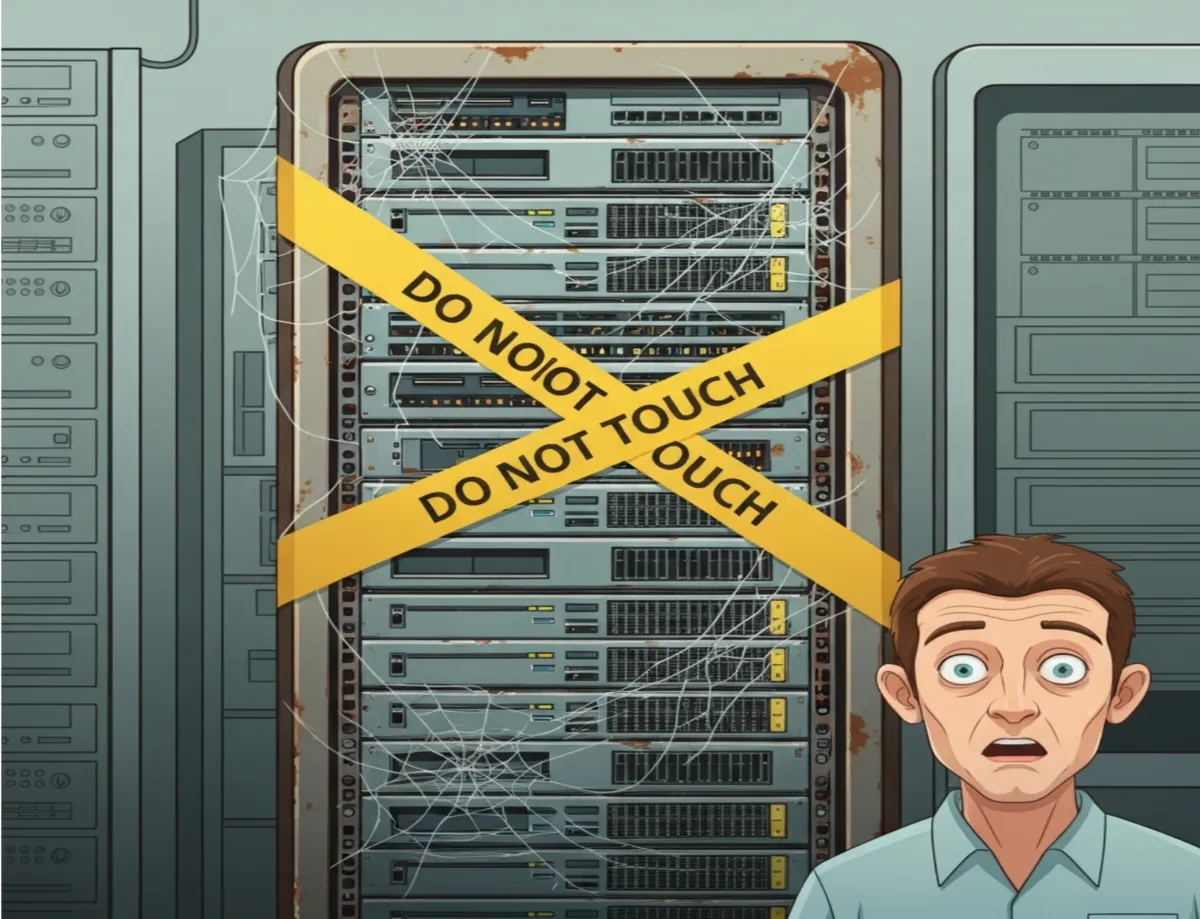
Systems “work”… but nobody wants to touch them
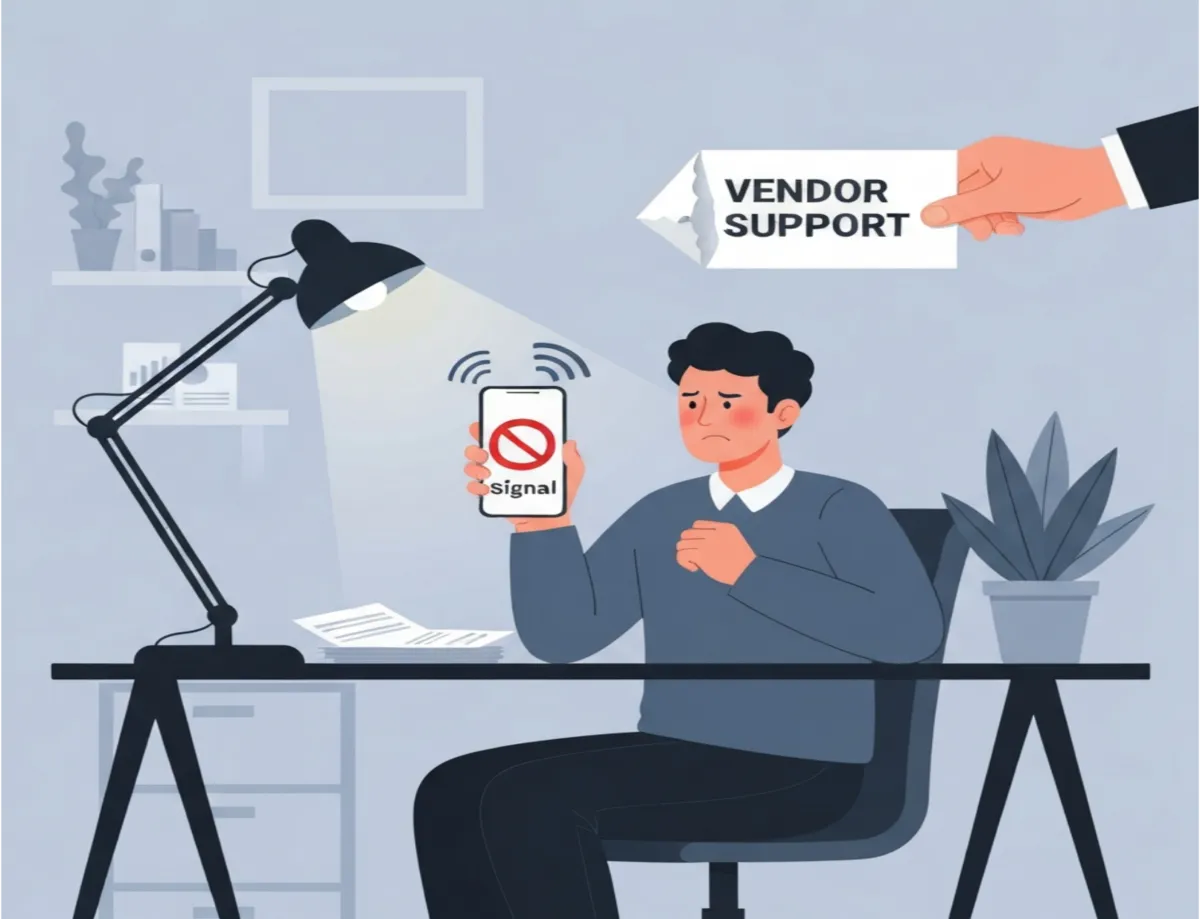
Vendor support is fading, or already gone
Content distribution is manual, fragmented, or inconsistent
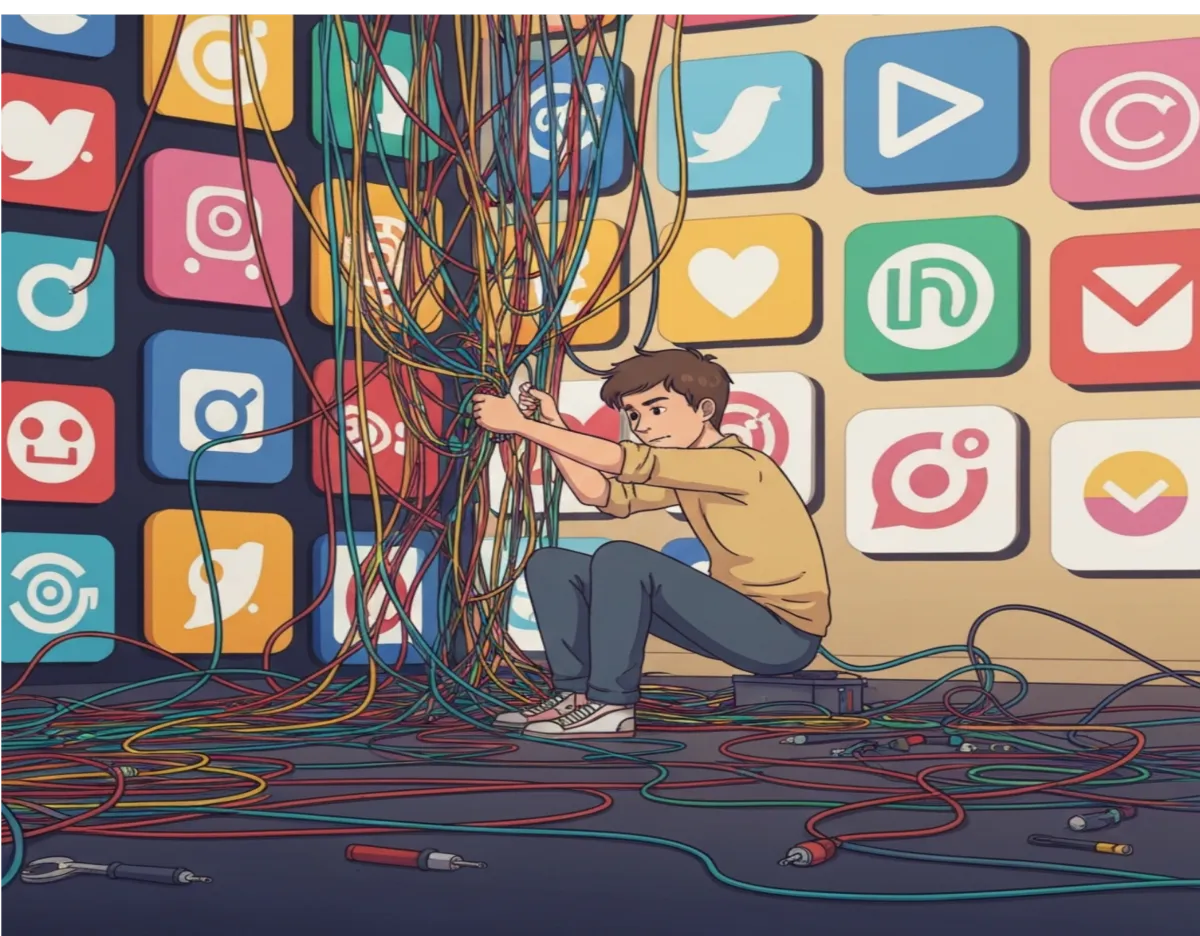
You’re losing younger audiences to platforms you can’t easily support
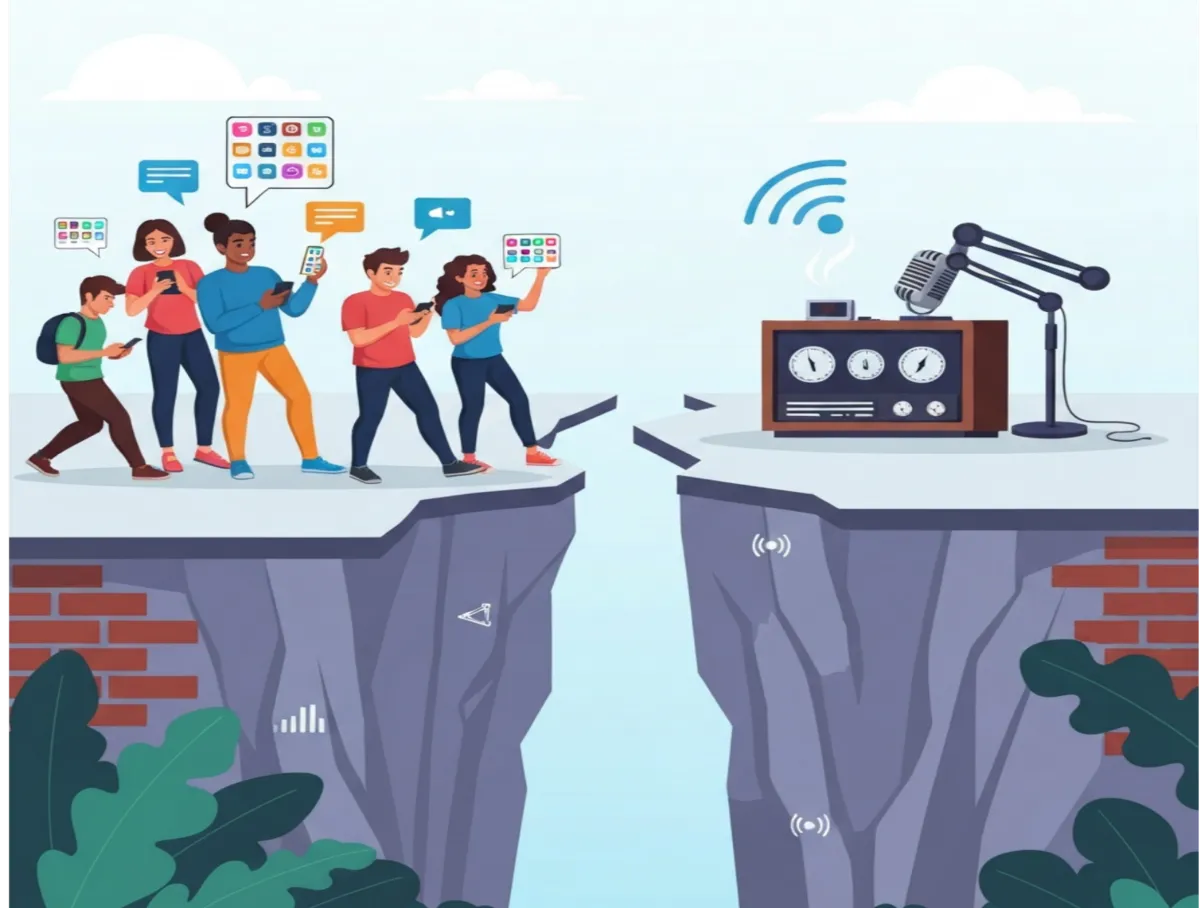
This isn't just about technical debt
It's not only about aging technology. You are also struggling with a dependency problem.
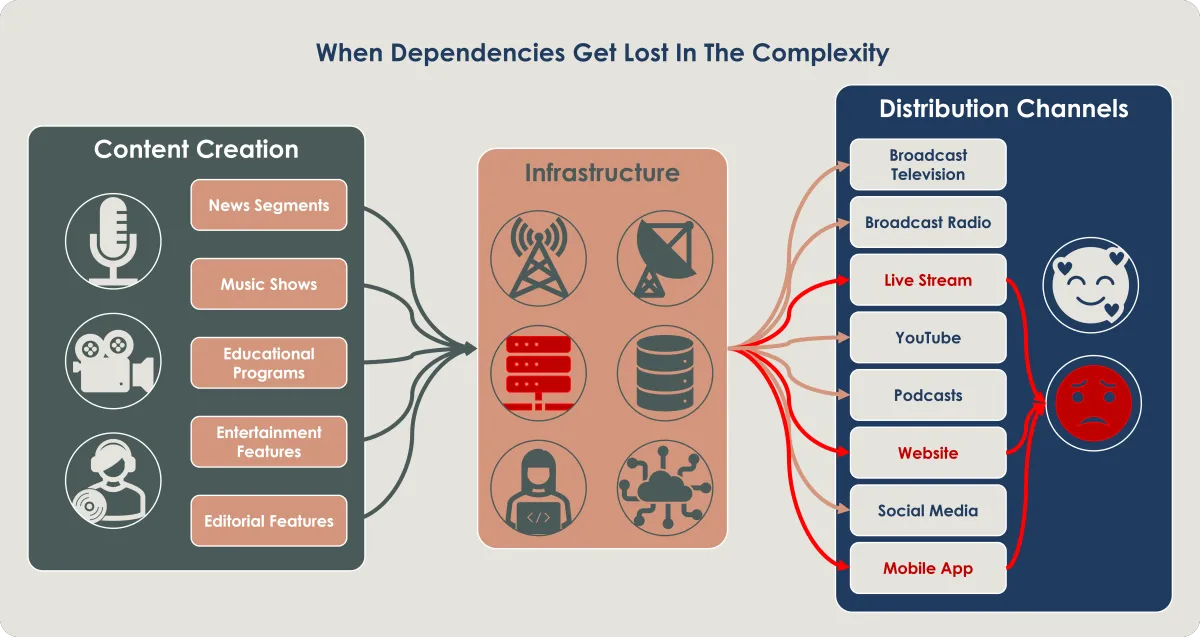
As distribution channels grow, so does infrastructure complexity. Often this growth is more ad hoc than planned.
When that happens, dependencies get lost in the complexity, and failures become harder to understand, and harder to fix.
So not only is your platform always-on, it has unmapped dependencies that make operations unpredictable...which costs you engagement and revenue.
Where Does Your Infrastructure Stand?
Stable
Broadcast and streaming are reliable
Systems are aging but manageable
No single point of failure in staff or infrastructure
Strained
Systems work, but feel fragile
Launching anything new requires significant effort
Technical staff is thin or overextended
Workarounds are common
Exposed
You’ve already had visible failures
Core systems depend on one person or outdated tools
Content can’t reach audiences where they are
Leadership knows it’s a problem, but doesn’t have a path forward
Not sure where you fall?
Let’s walk through it together.
If this sounds familiar, you’re not behind... you’re just constrained.
Organizations don’t ignore this problem because they want to.
They live with it because the alternatives feel worse.
You can’t risk going off the air
You don’t have excess budget or staff
The system is too interconnected to change safely
So the default becomes:
“Keep it running. Don’t break anything.”

That works…until it doesn’t.
There is a way to move forward without creating new risk.

We help public media organizations:
Make platform risk visible (instead of implied)
Identify the highest-risk dependencies
Sequence modernization so it’s safe to execute
This isn’t about ripping and replacing systems.
It’s about making change governable.
If your platform feels strained or exposed,
this is worth 20 minutes.
We’ll walk through your current situation and identify:
Where your real risk sits
What’s driving hesitation to change
What a safe path forward could look like
Not ready to talk yet?
Use the mini-version of our diagnostic tool to identify platform risk in digital environments.